Scenes That Require Licensed Remediation Protocols
Biohazard cleanup in Tenafly for traumatic incidents requiring bloodborne pathogen containment and complete decontamination
Bio Restoration Pro handles biohazard cleanup across Tenafly and the tri-state area when general cleaning companies cannot safely or legally address the work. Trauma scenes, unattended deaths, and other incidents involving blood or bodily fluids require systematic containment protocols, EPA-registered enzyme-based remediation, and verification to safe occupancy standards—not surface cleaning. The owner transitioned from multi-year Stericane franchise operations to independent practice, bringing established hands-on expertise to residential properties, rental units, and commercial spaces throughout New Jersey, Connecticut, and New York.
New Jersey commercial codes and tri-state residential density drive strict requirements for licensed biohazard remediation rather than unregulated cleaning crews. The work begins with containment to prevent cross-contamination, followed by removal of affected materials, application of hospital-grade disinfectants with required dwell times, and enzyme treatments that break down organic matter at the molecular level. Airborne pathogens are addressed through HVAC assessment and air scrubbing when structural systems are involved.
Schedule a property evaluation to assess the full scope of contamination and regulatory requirements.
What Proper Biohazard Remediation Requires
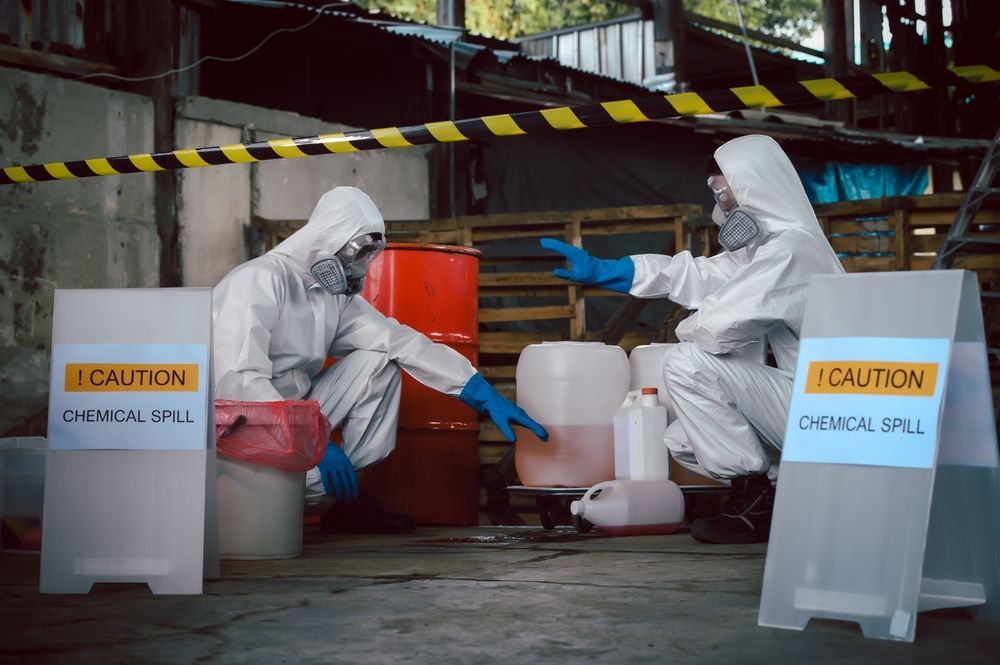
Bloodborne pathogen protocols dictate every step of the decontamination sequence. You see complete removal of porous materials that cannot be salvaged, containment barriers that isolate the affected area from occupied spaces, and documentation that verifies the property meets state health department standards for reoccupancy. Enzyme-based treatments are applied to non-porous surfaces after visible contamination is removed, breaking down proteins and pathogens that disinfectants alone cannot address.
After remediation finishes, the space returns to a condition where no visual, chemical, or biological evidence of the incident remains. Odors caused by decomposition or bodily fluids are eliminated through enzymatic breakdown rather than masked with fragrances. Surfaces that were treated can be safely touched, and air quality returns to baseline levels verified through testing when required by insurance or regulatory bodies.
The process includes disposal of biohazard waste through licensed medical waste haulers, not standard trash services. Structural elements such as subfloors or drywall are removed when saturation prevents effective decontamination, and HVAC systems are evaluated for contamination if the incident occurred in areas with air circulation. Bio Restoration Pro coordinates with property managers, estate executors, and insurance adjusters throughout multi-generational properties and rental portfolios common in the tri-state suburban corridor.
Questions Before Starting Remediation Work
Property owners across Stanford, Saugerties, and surrounding tri-state communities ask similar questions when they need this level of cleaning completed correctly and safely.
What makes biohazard cleanup different from regular cleaning services?
Licensed biohazard remediation follows OSHA bloodborne pathogen standards, uses EPA-registered disinfectants with verified contact times, and includes proper disposal through medical waste channels rather than household trash. General cleaning companies lack the training, equipment, and legal authority to handle contaminated materials safely.
How long does trauma scene cleanup take in Tenafly properties?
Most residential scenes require four to eight hours depending on the size of the affected area, extent of contamination, and whether structural materials need removal. Commercial properties or multi-room incidents extend the timeline based on square footage and access restrictions.
What happens to items that cannot be decontaminated?
Porous materials such as carpeting, upholstered furniture, mattresses, and unsealed wood are typically removed and disposed of as biohazard waste when they have absorbed blood or bodily fluids. Non-porous items like metal, glass, and sealed wood can usually be treated and restored.
Does insurance cover biohazard cleanup costs?
Homeowners insurance policies often include coverage for sudden traumatic events under loss-of-use or contamination clauses, while commercial policies may address it under liability or property damage provisions. Documentation of the remediation process supports claims processing.
When should I call for biohazard cleanup after an incident?
Contact Bio Restoration Pro immediately after law enforcement or emergency services clear the scene. Delays allow pathogens to spread, odors to intensify, and contamination to penetrate deeper into structural materials—all of which increase remediation complexity and cost.
Bio Restoration Pro operates across the tri-state area with the licensing and experience required for sensitive, thorough biohazard work. Arrange an on-site assessment to review your specific contamination scope and regulatory obligations.