Spaces That Require EPA-Approved Protocols
Infectious disease control in Tenafly for commercial properties and healthcare facilities requiring documented disinfection compliance
Post-pandemic commercial properties, government buildings, and healthcare facilities across New Jersey, Connecticut, and New York require more than surface wiping when infectious disease exposure occurs. Bio Restoration Pro applies EPA-registered disinfectants with verified contact times, HVAC system assessments, and dwell time documentation that satisfies regulatory compliance and insurance requirements. The owner's background in institutional-level infection control standards through Stericane franchise operations provides the technical foundation for this work across tri-state rental properties, office spaces, and public facilities where contamination events demand certified remediation.
New Jersey commercial codes enforce strict disinfection protocols when contagious illness outbreaks, confirmed COVID exposures, or other infectious disease events affect workplaces or multi-tenant buildings. The process begins with identifying high-touch surfaces and air circulation pathways, then applying EPA-registered disinfectants at concentrations and contact times proven effective against specific pathogens—SARS-CoV-2, norovirus, MRSA, C. diff—based on the exposure event. HVAC systems are evaluated for filter replacement and duct cleaning when airborne transmission is a concern.
Arrange a site evaluation to determine which disinfection protocols your facility requires and what documentation will be provided.
How Proper Disinfection Addresses Pathogen Spread
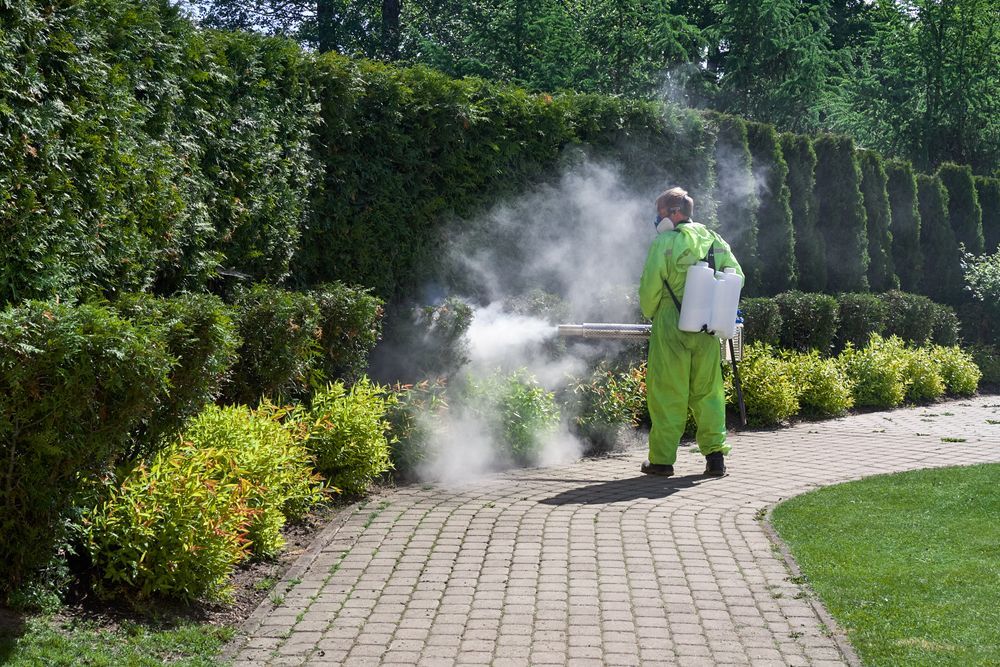
Contact time is the critical variable most cleaning services ignore—disinfectants must remain wet on surfaces for the duration specified on EPA labels to achieve the kill rates claimed for specific pathogens. You see application through electrostatic sprayers that coat surfaces evenly, followed by timed dwell periods before wiping or allowing natural evaporation. High-touch areas such as door handles, elevator buttons, handrails, and shared equipment receive focused treatment beyond general floor and desk cleaning.
After disinfection completes, treated surfaces meet EPA efficacy standards for pathogen elimination documented through application logs and product data sheets. The space can be reoccupied without quarantine restrictions, and employees or tenants receive written confirmation that remediation followed regulatory protocols. Air quality improves when HVAC interventions are included, removing airborne particulates and replacing contaminated filters that recirculate pathogens.
The service includes pre-treatment cleaning to remove organic matter that interferes with disinfectant efficacy, selection of EPA List N products when COVID is the target pathogen, and coordination with facility managers to schedule work during off-hours when occupancy restrictions apply. Bio Restoration Pro maintains documentation trails required for OSHA compliance, insurance claims, and tenant notifications across multi-tenant commercial properties common in the tri-state corridor.
Answers to Frequent Service Questions
Commercial property managers and facility operators across Stanford, Tenafly, and surrounding areas ask similar questions when infectious disease events require professional intervention.
What disinfectants are used for infectious disease control in Tenafly facilities?
EPA-registered products from List N for SARS-CoV-2 or pathogen-specific lists for other organisms, applied at concentrations and contact times verified through third-party testing. Product selection depends on the target pathogen, surface type, and regulatory requirements governing your facility.
How long does commercial disinfection take?
Small office spaces typically require two to four hours, while larger facilities with multiple floors, shared ventilation systems, or high-density workspaces extend to eight hours or overnight work. Dwell time requirements govern the minimum duration regardless of square footage.
What documentation is provided after disinfection?
Written reports include products used with EPA registration numbers, surfaces treated, contact times achieved, HVAC system interventions, and photos documenting completion. This documentation supports tenant notifications, insurance filings, and regulatory inspections when health departments are involved.
Does disinfection require building evacuation?
Occupants must remain clear of treated areas during application and dwell time, typically two to six hours depending on product chemistry and ventilation. Scheduling during evenings, weekends, or planned closures avoids business interruption while meeting safety protocols.
How is HVAC contamination addressed during infectious disease remediation?
Filter replacement, coil cleaning, and duct assessment are performed when airborne transmission is documented or suspected. Ventilation systems in tri-state commercial buildings often recirculate air across multiple zones, requiring attention beyond surface disinfection to prevent recontamination.
Bio Restoration Pro delivers the certification and compliance documentation that commercial properties and healthcare facilities require when infectious disease events demand verified remediation. Contact the team to discuss your facility's specific disinfection needs and scheduling requirements.