Basements Cleared Before Contamination Spreads
Water backup cleanup and sewage extraction in Tenafly for flooded basements, failed sump systems, and sewage overflow incidents
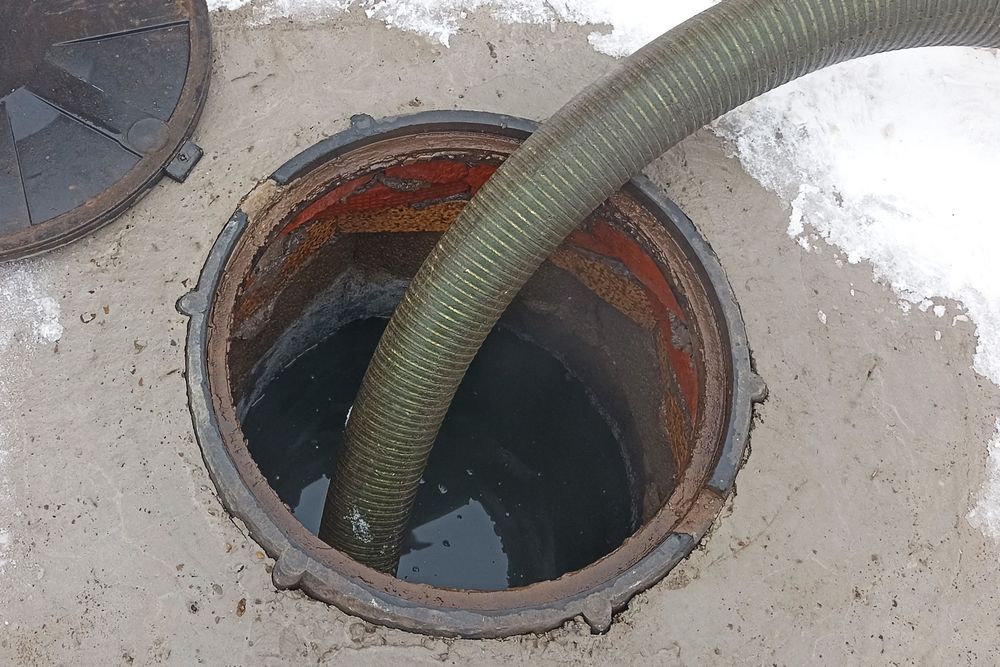
Sewage backups and water extraction work begins the moment contaminated water stops rising, because every hour of standing sewage increases contamination depth into porous materials and accelerates microbial growth in tri-state humidity. Bio Restoration Pro handles water backup cleanup in Tenafly and across Connecticut and New York properties where older plumbing systems fail, seasonal flooding overwhelms drainage infrastructure, or sump pump failures leave basements submerged in contaminated water. Immediate extraction sequencing removes standing water before antimicrobial treatment addresses surfaces that contacted sewage, and structural drying prevents mold colonization in materials that absorbed moisture.
Sewage contamination protocols classify water by contamination level—gray water from appliance failures requires different treatment than black water from toilet overflows or sewer backups—and extraction equipment must handle solid waste without spreading contamination across unaffected areas. Structural drying uses commercial dehumidifiers and air movers to reduce moisture content in wood framing, concrete, and drywall below the thresholds where mold growth begins, which typically takes several days depending on material saturation and ambient humidity levels.
Arrange an emergency extraction assessment to document contamination levels and moisture penetration depth.
Why Extraction Sequencing Prevents Further Damage
Immediate water extraction removes standing sewage before it saturates structural materials beyond salvage thresholds, and extraction sequencing prioritizes removing bulk water first, then addressing moisture trapped in porous materials, followed by antimicrobial treatment of all contacted surfaces. Humidity control and monitoring track moisture levels in walls, floors, and framing lumber throughout the drying process to confirm materials reach safe thresholds before reconstruction begins.
Once extraction and drying finish, you'll notice floors are dry to the touch, basement air no longer smells stagnant or sewage-contaminated, and moisture meters confirm that structural materials have returned to normal humidity levels. Tri-state basements in older construction often lack proper vapor barriers, so untreated moisture after extraction creates mold growth within 48 to 72 hours. Documentation includes moisture readings at multiple stages so insurance claims have verifiable proof that contamination was addressed according to industry protocols.
This work does not include plumbing repairs or infrastructure replacement that caused the backup, and materials like carpet padding or drywall that absorbed sewage contamination for extended periods typically require removal rather than restoration. Mold prevention depends on completing structural drying before microbial colonization begins.
Common Questions About Sewage Extraction
Properties facing water backup and sewage contamination often need answers about extraction timing, treatment protocols, and what happens to materials that contacted contaminated water.
What's the difference between gray water and black water cleanup?
Gray water from appliance overflows contains some contamination but lacks raw sewage, while black water from toilet backups or sewer failures requires full sewage decontamination protocols including antimicrobial treatment of all contacted surfaces.
How quickly does extraction need to start?
Extraction should begin within hours of water intrusion to prevent moisture from saturating structural materials beyond salvage points—porous materials like drywall and insulation absorb contaminated water rapidly in tri-state humidity conditions.
What does antimicrobial treatment actually involve?
Antimicrobial treatment applies EPA-registered disinfectants to all surfaces that contacted sewage, killing bacteria and pathogens that remain after water extraction completes.
When is structural material removal necessary instead of drying?
Materials that absorbed sewage contamination for more than 48 hours—such as carpet, padding, and lower sections of drywall—typically cannot be adequately disinfected and require removal to eliminate health risks.
How do you verify that moisture is completely gone?
Commercial moisture meters measure water content in wood, concrete, and drywall throughout the drying process, confirming that materials reach safe thresholds before antimicrobial treatment and reconstruction proceed.
Bio Restoration Pro operates across the tri-state area where basement flooding, sewage backups, and plumbing failures require rapid contamination control and structural drying. Contact Bio Restoration Pro at (201) 970-6220 to coordinate emergency water extraction and sewage decontamination for your property.