Contaminated Properties Requiring Chemical Residue Removal
Drug lab decontamination in Tenafly for properties exposed to methamphetamine or fentanyl contamination before resale
Clandestine drug labs contaminate residential and commercial properties with chemical residues that persist long after law enforcement clears the scene, creating health hazards and legal barriers to occupancy or resale. Bio Restoration Pro handles hazardous drug decontamination across the tri-state area when methamphetamine production, fentanyl processing, or other illicit drug activity leaves surfaces, HVAC systems, and structural materials contaminated beyond general cleaning capability. New Jersey, New York, and Connecticut enforce strict decontamination standards that require EPA-compliant remediation sequencing, post-treatment verification testing, and documentation before properties can legally return to market or residential use.
The process begins with chemical residue testing that establishes contamination levels on surfaces throughout the property—walls, ceilings, floors, cabinetry, and ventilation systems all retain drug residues from cooking processes or airborne particulates. EPA-compliant remediation follows a sequenced approach: removal of porous materials that cannot be decontaminated, application of specialized cleaning agents proven effective against methamphetamine or fentanyl residues, HVAC decontamination to eliminate contaminated ductwork or filters, and post-treatment testing that verifies surfaces meet state health department thresholds for safe occupancy. The owner's Stericane background in hazmat protocols provides the technical foundation for this specialized work.
Arrange a property assessment to determine contamination extent and identify which remediation protocols your situation requires.
What Proper Drug Lab Cleanup Requires
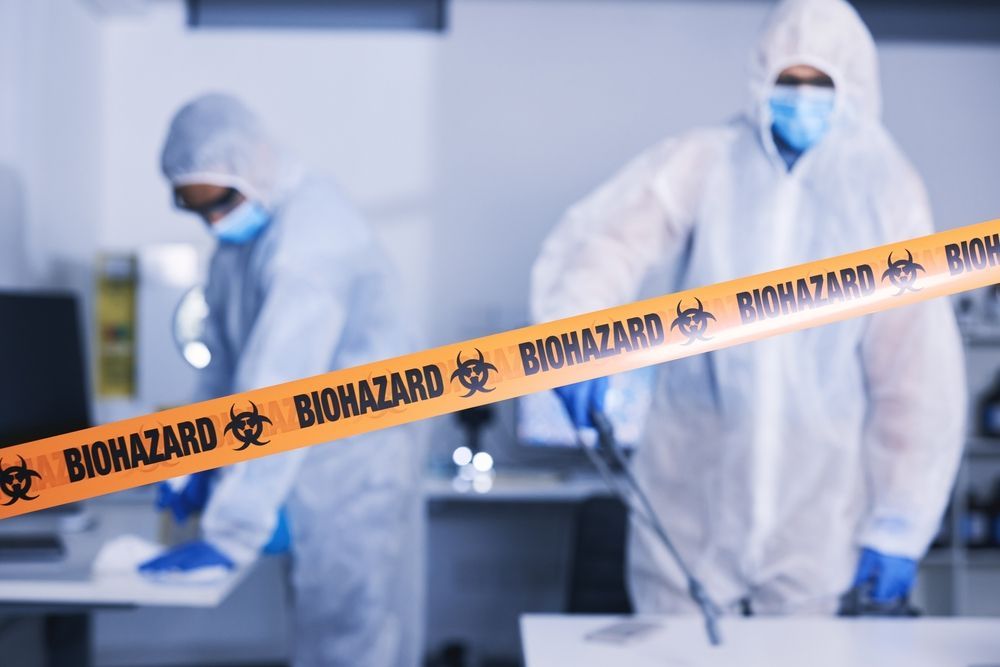
Methamphetamine contamination penetrates drywall, insulation, carpeting, and cabinetry because cooking processes release vapors that condense on every surface in the structure. You see removal of flooring, wall sections, and ceiling materials where residue levels exceed cleanable thresholds, followed by chemical washing of remaining structural surfaces using EPA-approved agents. HVAC systems receive separate attention because ductwork distributes contaminated air throughout the property, requiring professional cleaning or replacement depending on residue concentration and duct accessibility.
After remediation completes, verification testing confirms that surface residues have dropped below state-mandated thresholds—typically 0.5 micrograms per 100 square centimeters for methamphetamine. The property receives documentation that satisfies title companies, lenders, and municipal inspectors when resale or reoccupancy is the goal. Odors from chemical processes are eliminated through ventilation and surface treatment rather than masking, and structural elements that were removed are ready for reconstruction without contamination concerns.
The service includes coordination with environmental testing laboratories for pre- and post-remediation sampling, waste disposal through licensed hazardous waste haulers, and detailed photographic documentation of the remediation sequence. Tri-state properties facing disclosure requirements during real estate transactions rely on this documentation to demonstrate compliance with state decontamination standards and avoid liability after closing.
Common Questions About This Service
Property owners, real estate agents, and landlords across Connecticut, New York, and New Jersey face similar questions when drug contamination affects properties they need to remediate or sell.
What testing determines whether a property needs drug lab decontamination in Tenafly?
Surface wipe samples are collected from walls, counters, floors, and HVAC components, then analyzed by certified laboratories for methamphetamine, fentanyl, or other controlled substance residues. Results are compared against state health department thresholds to determine remediation scope.
How long does drug lab decontamination take?
Residential properties with moderate contamination typically require one to two weeks including material removal, surface cleaning, HVAC remediation, and post-treatment verification testing. Severe cases involving extensive structural contamination extend timelines based on the volume of materials requiring removal and replacement.
What surfaces can be cleaned versus what must be removed?
Non-porous surfaces such as metal, glass, and sealed wood can usually be decontaminated through chemical washing, while porous materials including drywall, carpeting, insulation, and untreated wood are removed when residue levels exceed cleanable thresholds or when absorption has occurred.
Does insurance cover methamphetamine or drug lab cleanup costs?
Standard homeowners policies typically exclude coverage for illegal activity, but some insurers offer contamination coverage endorsements or may cover remediation when the property owner was unaware of the drug activity. Documentation of the decontamination process supports claims when coverage applies.
What documentation is required to sell a property after drug contamination?
Post-remediation verification testing showing residue levels below state thresholds, detailed remediation reports documenting work performed, waste disposal records, and before-and-after photos satisfy disclosure requirements in New Jersey, Connecticut, and New York real estate transactions.
Bio Restoration Pro handles the testing coordination, EPA-compliant remediation sequencing, and verification documentation that drug-contaminated properties require before they can return to legal occupancy or sale. Contact the team to discuss your property's contamination scope and remediation timeline.