Attics and Crawlspaces Requiring Decontamination
Rodent cleanup in Tenafly for rental properties and older homes where waste accumulation creates hantavirus risk
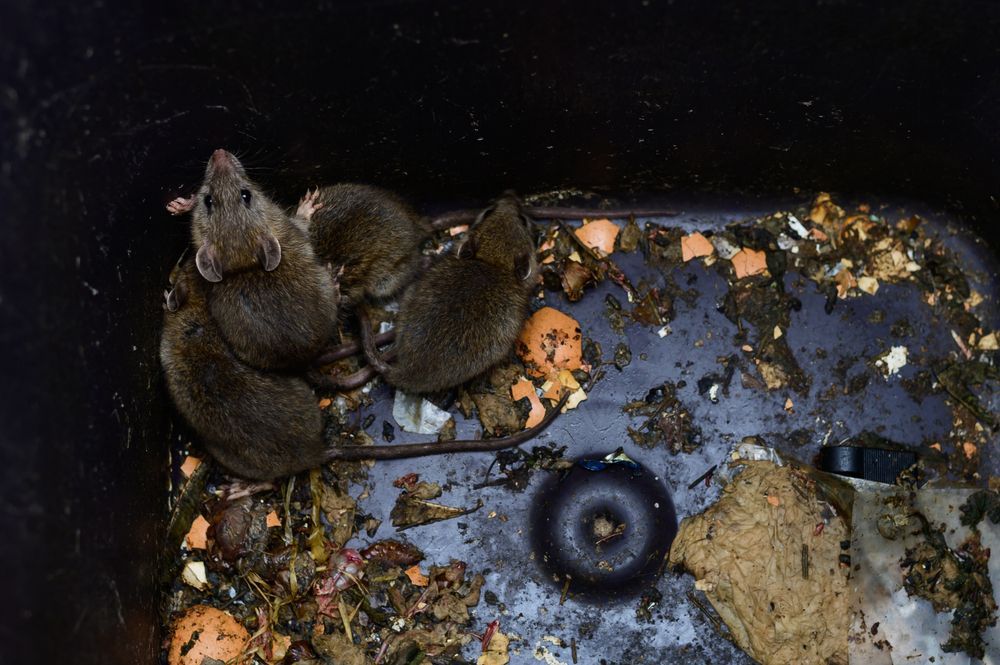
Rodent infestations leave behind more than the animals pest control removes—droppings, urine saturation, nesting materials, and carcasses create health hazards that require decontamination beyond what exterminators provide. Bio Restoration Pro handles rodent cleanup across Connecticut and New York residential properties, rental units, vehicles, and commercial spaces where older construction and seasonal vacancies allow mice, rats, squirrels, and raccoons to establish colonies in attics, crawlspaces, and wall cavities. The work involves complete waste removal following hantavirus-safe protocols, enzymatic decontamination of affected surfaces, and structural cleaning that addresses contamination pest control companies do not remediate.
Tri-state older homes with accessible entry points—uncapped chimneys, roof vents, foundation gaps—experience recurring rodent activity that accumulates waste over months or years before property owners discover the extent of contamination. Hantavirus, leptospirosis, and salmonella are transmitted through dried rodent droppings that become airborne when disturbed, making DIY cleanup dangerous without respiratory protection and containment protocols. Each affected space is evaluated for waste volume, insulation damage, and structural contamination before remediation begins.
Schedule an attic inspection to assess the full scope of contamination and determine whether insulation replacement is necessary.
What Changes After Animal Waste Removal
The remediation process begins with HEPA-filtered vacuuming of visible droppings and nesting materials, followed by removal of contaminated insulation when urine saturation or feces volume exceeds surface cleaning capability. You see enzyme treatments applied to wooden beams, subfloors, and ductwork where urine has soaked into porous surfaces—these break down organic compounds that cause persistent ammonia odors and harbor pathogens. Airborne particulates are controlled through negative air machines that prevent contaminated dust from spreading into occupied living spaces during the work.
Once decontamination finishes, the attic or crawlspace no longer smells like animal waste, and surfaces are safe to access without respiratory protection. Insulation that was compressed or destroyed by nesting activity can be replaced to restore thermal performance, and ductwork that was contaminated is cleaned or sealed to prevent odors from entering the home's air supply. The space returns to a condition where future pest control measures can be maintained without health hazards complicating access.
The service includes documentation of the contamination extent with photos, which supports insurance claims or tenant habitability disputes in rental properties. Bio Restoration Pro coordinates with pest control companies to confirm exclusion work is complete before final cleaning, preventing recontamination immediately after remediation. Structural damage assessment identifies chewed wiring, damaged vapor barriers, and compromised venting that require separate repairs beyond decontamination scope.
What Property Owners Usually Ask
Homeowners and landlords across the tri-state region face similar concerns when rodent activity creates contamination that exceeds routine cleaning.
Why can't I just vacuum up rodent droppings myself in Tenafly properties?
Dried rodent droppings release hantavirus particles when disturbed, which are inhaled and cause severe respiratory illness. Proper remediation requires HEPA filtration, respiratory protection, and enzymatic treatment rather than household vacuums that aerosolize pathogens throughout the home.
How much insulation needs to be removed during rodent cleanup?
Only sections with visible contamination, urine saturation, or compressed areas where nesting occurred are removed. Lightly soiled insulation can sometimes be treated in place, but heavy infestations typically require complete removal and replacement across affected zones.
What happens to animal carcasses found in attics or walls?
Remains are removed, double-bagged, and disposed of as biohazard waste. Surfaces beneath carcasses receive enzymatic treatment to eliminate decomposition fluids and odors that penetrate wood and insulation.
Does rodent waste cleanup prevent future infestations?
No—remediation addresses contamination after pests are removed, but exclusion work performed by pest control companies prevents re-entry. Bio Restoration Pro coordinates timing so decontamination occurs after all entry points are sealed, avoiding immediate recontamination.
How long does rodent remediation take for a typical attic?
Most residential attics require four to eight hours depending on waste volume, insulation removal needs, and access difficulty. Crawlspaces with limited clearance or multi-level attics extend the timeline based on square footage and contamination density.
Bio Restoration Pro brings the hantavirus protocols and enzymatic decontamination methods necessary for safe rodent waste remediation across rental portfolios and family homes. Request a property evaluation to determine contamination extent and insulation replacement requirements specific to your situation.