Air That Doesn't Carry Yesterday's Problems
Odor removal and air quality restoration in Tenafly for homes affected by water damage, biological contamination, or structural moisture issues
Bio Restoration Pro handles odor removal and air quality restoration in Tenafly and across the tri-state area when persistent smells indicate deeper contamination issues that air fresheners can't mask. Older homes with water-damaged basements, vehicles, properties recovering from trauma incidents, and buildings with biological contamination require root-cause identification before air quality improves. The work involves enzymatic treatment of affected surfaces, HEPA filtration to capture airborne particles, and activated carbon systems that chemically neutralize odor molecules rather than temporarily covering them.
The process begins with identifying whether the odor source is biological, chemical, or structural—testing humidity levels, inspecting hidden spaces, and documenting contamination patterns before selecting treatment methods. Tri-state humidity fluctuations and seasonal moisture changes affect how odors behave in older construction, where basements often trap water vapor and biological material degrades slowly in enclosed spaces. Air exchange verification measures whether treated air meets baseline standards after remediation completes.
Schedule a property evaluation to identify specific contamination sources and air quality concerns.
What Changes After Root-Cause Treatment Completes
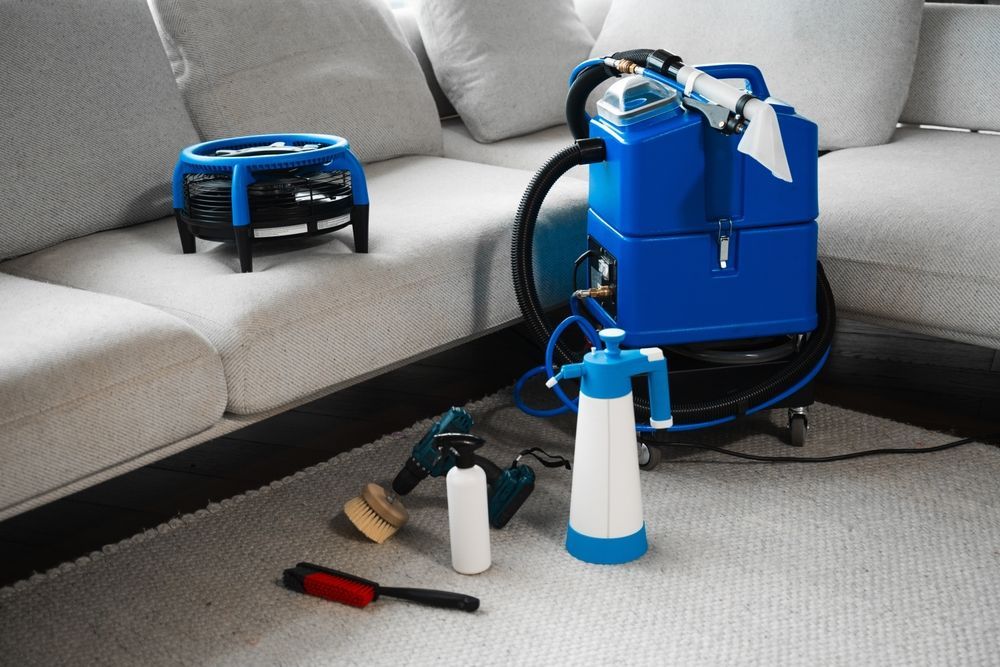
Root-cause identification determines whether odors originate from biological decay, chemical residue, or moisture trapped in structural materials, which dictates whether enzymatic treatment breaks down organic compounds, activated carbon systems adsorb chemical odors, or structural drying eliminates the conditions that allow microbial growth. HEPA filtration removes airborne particles during active treatment, while air exchange verification confirms that indoor air quality meets restoration standards before declaring the work complete.
You'll notice rooms no longer carry the smell when you walk in, fabrics and furniture stop absorbing residual odors overnight, and air remains neutral even when windows stay closed for extended periods. Humidity-controlled environments in the tri-state region mean that untreated moisture sources will re-contaminate air within weeks, so proper drying and ventilation verification prevent odor recurrence. Bio Restoration Pro documents air quality readings before and after treatment so you have measurable proof that contamination has been addressed.
This work does not include cosmetic deodorizing or masking treatments, and some materials that have absorbed biological contamination for extended periods may require removal rather than treatment. Restoration timelines depend on contamination depth, material porosity, and whether structural components need drying before air quality improves.
Questions Before Starting Air Quality Work
Air quality restoration in older tri-state homes often raises questions about treatment methods, timelines, and what actually changes after odor removal work finishes.
What happens during root-cause identification?
Bio Restoration Pro inspects visible and hidden spaces, tests moisture levels in structural materials, and documents contamination patterns to determine whether odors originate from biological decay, chemical residue, or moisture issues that require different treatment approaches.
How long does enzymatic treatment take to work?
Enzymatic treatments begin breaking down organic compounds within hours, but complete odor elimination depends on contamination depth and material porosity—porous materials like wood subfloors and drywall absorb biological residue more deeply than sealed surfaces.
What does activated carbon actually do?
Activated carbon systems chemically adsorb odor molecules from the air rather than masking them, which permanently removes chemical odors instead of temporarily covering smells the way air fresheners do.
When is structural material removal necessary?
Materials that have absorbed biological contamination for months or years—such as carpet padding after sewage exposure or insulation after animal infestation—often cannot be restored and require removal to eliminate odor sources permanently.
How do you verify air quality after treatment?
Air exchange verification measures particulate levels and odor thresholds after treatment completes, confirming that indoor air meets baseline standards before restoration work is considered finished.
Bio Restoration Pro serves properties across Connecticut, New York, and New Jersey where water damage, biological contamination, or structural moisture creates air quality issues that standard cleaning doesn't resolve. Request an on-site assessment to determine contamination sources and treatment requirements for your property.